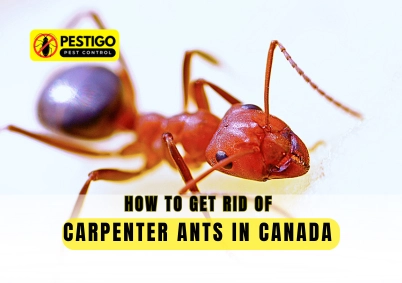
If you’re wondering how to get rid of carpenter ants in Canada, the most effective approach is to identify the nest, eliminate moisture sources, apply targeted treatments like boric acid, seal entry points, and maintain long-term prevention. Carpenter ants don’t eat wood, but they tunnel through it, causing serious structural damage if left untreated.
This guide explains everything you need to know, using Canada-specific advice and government-backed insights, so you can remove carpenter ants effectively and keep them from coming back.
What Are Carpenter Ants and Why Are They a Problem in Canada?
Carpenter ants are one of the most common household pests across Canada. These large ants (ranging from 6 mm to 25 mm) build nests inside wood, especially in damp or decaying areas such as basements, roofs, and wall cavities.
According to official Canadian government guidance, carpenter ants excavate wood to build nests rather than eating it, which weakens structures over time.
They are particularly active during warmer months (spring and summer), when colonies expand rapidly and begin searching for food indoors.
Signs of a Carpenter Ant Infestation
Before you start treatment, confirm the infestation. Common signs include:
- Large black or reddish ants inside your home
- Small piles of sawdust-like material (called frass)
- Rustling noises inside walls
- Winged ants (especially in spring)
- Damp or damaged wood
If you notice these signs, it’s likely you have a nest nearby or inside your home.
Step-by-Step: How to Get Rid of Carpenter Ants in Canada
- Locate the Nest
The most important step is finding the nest. Carpenter ants usually build colonies in:
- Damp or rotting wood
- Wall voids and insulation
- Attics and crawl spaces
- Tree stumps or firewood piles outside
Tip: Follow ant trails at night when they are most active.
- Eliminate Moisture Sources
Moisture is the #1 reason carpenter ants invade homes.
Government recommendations highlight that fixing moisture issues is essential for long-term control.
To reduce moisture:
- Repair leaking pipes and roofs
- Improve ventilation in basements and attics
- Clean gutters and ensure proper drainage
Without addressing moisture, infestations will continue.
- Use Effective Treatments
Boric Acid
- Acts as a slow-acting poison
- Worker ants carry it back to the colony, killing the queen
Diatomaceous Earth
- Natural powder that dehydrates ants
- Safe for indoor use when applied properly
These treatments are commonly recommended for safe, controlled pest management.
- Destroy the Nest
Once located:
- Vacuum visible ants
- Apply insecticide dust into cracks and wall voids
- Replace heavily damaged wood
Simply killing visible ants is not enough; you must eliminate the colony.
- Seal Entry Points
Carpenter ants enter through small openings such as:
- Foundation cracks
- Gaps around windows and doors
- Utility line openings
Seal these areas using:
- Caulk
- Weather stripping
- Mesh barriers
- Remove Food Sources
Carpenter ants are attracted to:
- Sugary foods
- Grease and meat
- Pet food
Keep your home clean by:
- Wiping spills immediately
- Storing food in sealed containers
- Taking out trash regularly
- Manage Outdoor Areas
Outdoor conditions often lead to infestations.
To reduce risk:
- Store firewood away from your home
- Remove dead trees and stumps
- Trim branches touching your roof
When to Call a Professional Pest Control Service
DIY methods work for small infestations, but professional help is recommended if:
- The nest cannot be located
- Infestation keeps returning
- Structural damage is visible
Professionals use regulated treatments approved in Canada, ensuring safe and complete removal.
Preventing Carpenter Ants in Canada
Prevention is the best long-term solution.
Key Tips:
- Keep wood dry and in good condition
- Fix leaks immediately
- Inspect your home regularly
- Maintain proper airflow in enclosed spaces
- Keep landscaping away from your home
Why Carpenter Ants Should Not Be Ignored
Carpenter ants may seem harmless, but they can cause:
- Structural weakening of wood
- Damage to walls, beams, and flooring
- Expensive repair costs over time
Early action can save you thousands in repairs.
Final Thoughts
Getting rid of carpenter ants in Canada requires a complete strategy, not just killing visible ants. By identifying the nest, eliminating moisture, using effective treatments, and sealing entry points, you can fully remove the infestation and prevent it from returning.
Protect Your Home with Pestigo
If carpenter ants are taking over your home, don’t wait for the damage to get worse.
Pestigo provides expert pest control services designed to eliminate carpenter ants quickly and safely. Their trained professionals can locate hidden nests and deliver long-term protection.
Contact Pestigo today and keep your home safe from carpenter ants.
FAQs About Carpenter Ants in Canada
1. Are carpenter ants common in Canada?
Yes, they are widely found across Canada, especially in wooded and humid areas.
2. Do carpenter ants eat wood?
No, they tunnel through wood to create nests, which causes structural damage.
3. What attracts carpenter ants?
Moisture, decaying wood, and food sources like sugar and grease attract them.
4. Can I remove carpenter ants myself?
Small infestations can be treated with DIY methods, but larger infestations often require professionals.
5. How long does it take to eliminate them?
It can take several days to weeks depending on the colony size and treatment method.
6. Are carpenter ants dangerous?
They are not harmful to humans but can seriously damage wooden structures.