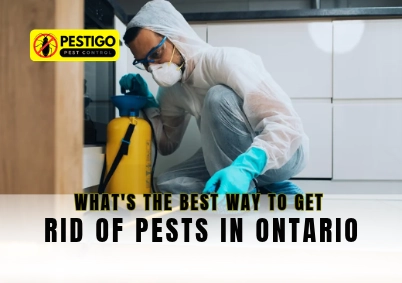
The best way to get rid of pests in Ontario is to identify the pest.
Remove the food, water and shelter attracting it, block potential entry points and apply an appropriate treatment.
For persistent or widespread infestations, professional pest control can help identify the source and manage the problem.
The right approach depends on the pest, the property and the severity of the infestation.
Pests can enter homes, apartments, restaurants, offices, warehouses and other commercial properties throughout Ontario. Additionally, the best way to get rid of pests in Ontario involves addressing weather, food, moisture and hiding places.
If you are dealing with mice, rats, cockroaches, ants, bed bugs, or other pests, identify the cause first.
That understanding is the first step toward controlling them.
This guide explains practical pest prevention methods, treatment options and when to contact a professional pest control company in Toronto and surrounding Ontario communities.
Why Do Pests Enter Homes and Businesses in Ontario?
Pests enter buildings primarily because they offer access to food, water, warmth and shelter. Small structural gaps, poor waste management, excess moisture and clutter can make properties attractive to different types of pests.
Ontario’s changing seasons can also influence pest activity. As outdoor temperatures drop, rodents and some insects may seek sheltered places inside buildings. During warmer months, ants, flies, mosquitoes and other insects can become more noticeable.
Common reasons pests enter properties include:
- Food availability: Uncovered food, crumbs, food waste and improperly stored groceries attract insects and rodents.
- Water and moisture: Leaking pipes, standing water and damp areas provide suitable conditions for certain pests.
- Structural openings: Gaps around doors, windows, pipes and foundations allow pests to enter.
- Clutter: Cardboard boxes, unused furniture and stored materials create hiding places.
- Poor waste management: Uncovered garbage and food waste can attract rats, mice, flies and other pests.
- Nearby infestations: Pests can move between neighboring properties, apartments and commercial units.
Understanding these conditions helps you choose the right prevention and treatment methods.
7 Common Pests Found in Ontario and How to Control Them
Different pests require different approaches. Identifying the pest correctly helps you avoid ineffective treatments and address the actual problem.
1. Mice and Rats
Rodents are common concerns for homeowners and businesses in urban areas such as Toronto.
Mice and rats can enter through small openings, damage stored materials and contaminate food preparation and storage areas.
Common signs of rodent activity:
- Small dark droppings near cupboards and storage areas.
- Scratching sounds inside walls or ceilings.
- Gnaw marks on food packaging, furniture or wiring.
- Damaged food containers.
- Nesting materials in hidden areas.
- Holes or burrows around the property.
How to control mice and rats:
- Inspect the property for gaps around doors, foundations, pipes and utility openings.
- Seal suitable entry points using appropriate rodent-resistant materials.
- Store food in tightly sealed containers.
- Keep garbage in secure bins with properly fitted lids.
- Remove clutter and materials that could provide nesting areas.
- Use suitable traps where appropriate and follow product instructions.
The City of Toronto recommends securing garbage, removing potential food sources, reducing outdoor shelter and sealing openings to help prevent rat activity.
If you continue seeing rodents or discover signs of nesting, consider a professional inspection to identify the extent of the infestation.
2. Cockroaches
Cockroaches can become a persistent problem in kitchens, bathrooms, restaurants, apartments and commercial buildings.
They often hide in dark, warm and moist areas, including cracks, cupboards, appliances and spaces around plumbing.
Common signs of cockroach activity:
- Live cockroaches, particularly at night.
- Small dark droppings.
- Egg cases in hidden areas.
- Unpleasant odors in heavily infested spaces.
- Shed skins around hiding places.
How to control cockroaches:
- Clean food preparation areas regularly.
- Remove crumbs, grease and food residue.
- Store food in sealed containers.
- Repair leaking pipes and eliminate unnecessary moisture.
- Reduce clutter around cupboards and appliances.
- Seal cracks and openings where cockroaches may hide.
- Use appropriate monitoring and treatment methods.
Cockroach infestations can be difficult to manage because they hide in small spaces and reproduce quickly. Repeated sightings may indicate that the problem extends beyond the areas where you can see them.
For larger or recurring infestations, professional pest management can help identify harbourage areas and select appropriate treatment methods.
3. Bed Bugs
Bed bugs are small insects that feed on human blood. They commonly hide around mattresses, bed frames, furniture and other areas close to sleeping spaces.
They can enter properties through luggage, clothing, second-hand furniture and other belongings.
Common signs of bed bugs:
- Small reddish-brown insects around mattresses and furniture.
- Dark spots on bedding or mattress seams.
- Shed skins and eggs in hiding places.
- Small blood stains on bedding.
- Itchy skin reactions, although bites alone cannot confirm an infestation.
How to control bed bugs:
- Inspect mattress seams, bed frames and nearby furniture.
- Wash suitable bedding and clothing according to their care instructions.
- Use a dryer where the fabric permits an appropriate heat setting.
- Reduce clutter around sleeping areas.
- Vacuum suitable surfaces and dispose of the contents safely.
- Avoid moving infested belongings into unaffected rooms.
- Arrange professional treatment when an infestation is confirmed.
Bed bugs can be particularly difficult to eliminate using ordinary household sprays. Toronto Public Health recommends combining physical control methods with preventative measures.
Professional assessment is often the more appropriate option for an established bed bug infestation.
4. Ants
Ants commonly enter homes and businesses while searching for food and water. Kitchens, dining areas, storage spaces and foundations can provide suitable access points.
Common signs of ants:
- Ant trails around windows, doors and floors.
- Ants gathering near food containers.
- Small piles of soil or debris near entry points.
- Repeated activity around kitchens and cupboards.
How to control ants:
- Clean food spills immediately.
- Store sweet and dry foods in sealed containers.
- Empty rubbish regularly.
- Identify and seal suitable entry points.
- Remove standing water and unnecessary moisture.
- Monitor where ant trails begin and where they lead.
Different ant species have different nesting habits and behaviors. Identifying the species can help determine the most appropriate treatment.
If ants continue returning despite cleaning and prevention, a professional inspection may help identify the source of the activity.
5. Wasps and Bees
Wasps and bees may build nests around roofs, eaves, sheds, wall cavities and other sheltered outdoor areas.
Their presence can create concerns for people who use entrances, gardens, balconies and outdoor working areas.
Common signs of nesting activity:
- Repeated insect activity around one opening.
- Visible nests under roofs or sheltered structures.
- Wasps entering and leaving gaps in walls.
- Increased activity around outdoor seating areas.
How to manage wasps and bees:
- Keep food and sugary drinks covered outdoors.
- Avoid disturbing visible nests.
- Keep children and pets away from active nesting areas.
- Identify the nesting location from a safe distance.
- Contact an appropriate professional when removal is necessary.
Do not attempt to block an active nest entrance or disturb a nest without understanding the risks. Some situations may require specialist handling, particularly where bees or protected species are involved.
6. Flies and Other Flying Insects
Flies can become a problem in kitchens, restaurants, food storage facilities, waste areas and residential properties.
They are often attracted by exposed food, organic waste, drains and moisture.
How to reduce flying insect activity:
- Keep food covered.
- Clean waste bins regularly.
- Dispose of food waste properly.
- Maintain suitable drainage and sanitation.
- Repair damaged window screens.
- Keep doors closed where practical.
- Identify and remove potential breeding sources.
Businesses that handle food should pay particular attention to hygiene, waste management and pest monitoring.
What Is the Most Effective Way to Prevent Pests?
Prevention is an important part of long-term pest management. Instead of waiting until an infestation develops, make your property less attractive and reduce the opportunities pests have to enter.
Here are practical steps for residential and commercial properties.
1. Maintain Proper Cleaning and Sanitation
Regular cleaning helps remove food residue and other materials that attract pests.
Pay particular attention to:
- Kitchen counters and cupboards.
- Areas underneath appliances.
- Food preparation surfaces.
- Storage rooms.
- Waste disposal areas.
- Restaurant kitchens and dining spaces.
Cleaning alone will not eliminate every infestation, but it can reduce the conditions that support pest activity.
2. Store Food Properly
Keep groceries, dry foods and pet food in suitable sealed containers.
Avoid leaving uncovered food on kitchen counters or in commercial storage areas. Clean spills promptly and remove food waste regularly.
3. Seal Entry Points
Inspect the outside of your property for gaps and openings.
Check:
- Door and window frames.
- Foundation cracks.
- Utility and plumbing openings.
- Roof edges.
- Garage doors.
- Damaged ventilation screens.
Use appropriate materials to seal openings while maintaining necessary ventilation and drainage.
4. Control Moisture
Moisture can attract different pests and support conditions in which some insects thrive.
Repair leaking pipes, address drainage issues and avoid allowing standing water to collect around the property.
Inspect basements, bathrooms, kitchens and storage areas for signs of dampness.
5. Manage Waste Properly
Use secure rubbish containers and avoid leaving food waste exposed.
For Toronto properties, the City recommends animal-resistant garbage containers with tight-fitting lids to help reduce rat activity.
6. Inspect Your Property Regularly
Look for droppings, damaged packaging, insect activity, unusual odors and potential entry points.
Early identification can help you address problems before they become more difficult to manage.
DIY Pest Control vs Professional Pest Control: Which Is Better?
The right option depends on the pest, the size of the infestation and the treatment required.
DIY methods can be useful for prevention and some minor pest problems. However, persistent or established infestations may require a more detailed inspection and targeted treatment.
| Factor | DIY Pest Control | Professional Pest Control |
| Initial cost | Usually lower | Depends on the service |
| Pest identification | Relies on your own assessment | Can include professional inspection |
| Treatment selection | Limited to products and methods available to you | Can be tailored to the infestation |
| Prevention | Requires ongoing personal effort | May include professional prevention advice |
| Larger infestations | May be difficult to manage | More suitable for complex problems |
| Follow-up | Arranged independently | May be available depending on the service |
When Is DIY Pest Control Suitable?
DIY methods may be suitable when:
- You have identified a minor pest problem.
- The source of the activity is clear.
- Physical prevention methods can address the issue.
- The infestation is limited.
- You can safely follow the instructions for any products used.
When Should You Hire a Professional Exterminator?
Consider professional pest control when:
- You repeatedly see mice, rats or insects.
- Bed bugs are confirmed.
- Cockroaches continue appearing after basic prevention.
- You cannot locate the source of the infestation.
- Pests are affecting a restaurant or commercial property.
- An infestation involves difficult-to-access areas.
- Previous treatment attempts have not resolved the problem.
A professional assessment can help determine what is attracting the pests and which control methods are appropriate.
Is Professional Pest Control Safe in Ontario?
Professional pest control can be carried out responsibly when the provider uses appropriate products and methods and follows applicable safety requirements.
In Canada, pesticides must be registered for their intended use, and users must follow the instructions on the approved product label.
Ontario also regulates pesticide use through the Pesticides Act and Ontario Regulation 63/09. Depending on the work and applicable exemptions, commercial extermination businesses and pesticide applicators may require specific licences.
Before arranging treatment, ask the pest control provider:
- What pest is being treated?
- Which treatment method is recommended?
- What products will be used?
- Are the products registered for the intended use in Canada?
- What preparation is required?
- What precautions should children and pets follow?
- When can occupants safely return to treated areas?
- Will follow-up treatment be necessary?
Never assume that a product is safe simply because it is marketed as natural or eco-friendly. Always follow the relevant safety instructions.
Official guidance: Health Canada pesticide safety.
How Much Does Pest Control Cost in Ontario?
Pest control costs vary depending on the type of pest, property size, infestation severity and treatment requirements.
A small ant problem in a residential kitchen may require a different approach from a widespread cockroach infestation in a commercial building.
The main factors that influence pricing include:
Type of pest: Different insects, rodents and wildlife require different inspection and treatment methods.
Infestation severity: Larger or established infestations may require additional work and follow-up visits.
Property size: Larger homes, multi-unit buildings and commercial facilities may require more extensive inspections and treatment.
Treatment method: The recommended approach depends on the pest, its location and the conditions of the property.
Follow-up requirements: Some infestations require monitoring or multiple visits.
Before accepting a quotation, ask what the service includes, whether follow-up visits are covered and whether any additional charges may apply.
For an accurate estimate, discuss your pest problem and property requirements with a local pest control provider.
How to Choose a Pest Control Company in Toronto
Choosing the right pest control provider is just as important as selecting the treatment method.
Before hiring an exterminator in Toronto or elsewhere in Ontario, consider these factors.
1. Check Licensing and Qualifications
Ask whether the company holds the applicable Ontario operator license and whether pesticide applicators have the required exterminator licences or meet an applicable exemption.
2. Ask About the Inspection Process
A suitable provider should understand the pest problem before recommending a treatment.
Ask how the technician will identify the pest, inspect the affected areas and determine the appropriate control method.
3. Understand the Treatment Plan
Request clear information about the recommended treatment, preparation requirements, safety precautions and expected follow-up.
4. Compare Quotes
Do not select a provider based only on the lowest price. Compare the inspection, treatment scope, follow-up arrangements and any service guarantees.
5. Look for Relevant Experience
Choose a company that understands the pest and property type involved.
Residential pest control and commercial pest management can involve different requirements, particularly for food premises, warehouses and multi-unit buildings.
Residential and Commercial Pest Control Services in Ontario
The Residential and commercial properties face different pest management challenges. A suitable service should consider the property layout, pest activity and the conditions contributing to the infestation.
Residential Pest Control
Homes, apartments and condominiums can experience problems involving rodents, cockroaches, ants, bed bugs, wasps and other unwanted pests.
Residential pest control focuses on identifying the problem, selecting appropriate treatment methods and helping homeowners reduce the conditions that attract pests.
Regular cleaning, food storage, moisture control and sealing entry points can support these efforts.
Commercial Pest Control
Businesses need to consider pest prevention as part of their property maintenance and hygiene practices.
Restaurants, retail stores, offices, warehouses and other commercial facilities may require tailored pest management approaches.
Commercial pest control may involve inspections, monitoring, sanitation recommendations, exclusion work and suitable treatments.
For businesses handling food, pest management is particularly important because pest activity can create food contamination and operational concerns.
How Pestigo Can Help with Pest Problems in Ontario
If prevention and basic control methods have not resolved your pest problem, professional assistance may be the next step.
Pestigo provides residential pest control, commercial pest control and wildlife control services in Ontario.
The company offers pest management solutions for homeowners and businesses dealing with unwanted rodents, insects and wildlife.
Its main services include:
Residential Pest Control
Pestigo provides residential pest control services for homeowners dealing with unwanted pest activity. The service is intended to help address pest problems affecting houses and other residential properties.
Commercial Pest Control
Pestigo offers commercial pest management services for businesses that need to address pest activity and maintain their premises.
You can explore the available options on the Pestigo services page.
Need Help Getting Rid of Pests?
Do not let recurring pest activity become a bigger problem. If you are dealing with rodents, insects or unwanted wildlife, contact Pestigo to discuss your property and pest control requirements.
Pestigo Pest Control
Phone: 416-417-2242
Email: info@pestigo.ca
Website: https://pestigo.ca/
Services: https://pestigo.ca/services/
FAQs
- What is the best way to get rid of pests in Ontario?
The best approach is to identify the pest, remove food and water sources, seal entry points and use suitable treatment methods. For persistent or widespread infestations, professional pest control can help identify the source and manage the problem.
- What are the most common household pests in Ontario?
Common household pests include mice, rats, ants, cockroaches, bed bugs, wasps and flies. The type of pest you encounter often depends on the property, surrounding environment and availability of food and shelter.
- When should I hire a professional pest control company?
Consider hiring a professional when pest activity continues despite prevention, you discover signs of nesting, you have a confirmed bed bug infestation or pests are affecting your home or business.
- How can I prevent mice and rats from entering my home?
Seal openings around foundations, doors and utility pipes. Store food securely, keep garbage covered, remove outdoor clutter and inspect areas where rodents may nest.
- Does professional pest control eliminate pests permanently?
No pest control provider can guarantee that pests will never return. Effective management depends on the treatment, infestation conditions, property maintenance and prevention. Some situations also require follow-up visits.
- Is DIY pest control effective?
DIY methods can help with prevention and some minor pest problems. However, established infestations may require professional inspection and more targeted treatment.
- How much does an exterminator cost in Toronto?
The price depends on the pest, property size, infestation severity and treatment method. Contact a local pest control provider for a quotation based on your specific requirements.
- Is pest control safe for children and pets?
Safety depends on the treatment method and products used. Follow the product label and the provider’s preparation and re-entry instructions. Keep children and pets away from treated areas until the specified conditions are met.
- Does Pestigo provide residential and commercial pest control?
Yes. Pestigo offers residential pest control, commercial pest control and wildlife control services. Visit its services page to learn more.
- How can I find pest control services in Toronto?
Look for a provider that offers the relevant pest management service, explains its treatment process, meets applicable licensing requirements and provides clear pricing and safety information. You can contact Pestigo to discuss your pest control requirements in Toronto and its service areas.
Conclusion
The best way to get rid of pests in Ontario is to combine correct pest identification, prevention and appropriate treatment. Keeping your property clean, securing food, controlling moisture and sealing entry points can help reduce pest activity.
However, recurring or established infestations may require professional attention. Choosing a suitable pest control provider can help you understand the source of the problem and determine the right approach for your property.
Whether you need residential or commercial pest control, take action early to manage unwanted pests and reduce the likelihood of future infestations.
If you need assistance, contact Pestigo to discuss your pest control requirements in Ontario.