Carpenter ants can silently damage your home long before you notice them. The best way to protect your home from carpenter ants is to eliminate moisture, seal entry points, remove food sources, trim tree branches touching your home, and schedule a professional inspection if you notice signs of an infestation. Unlike termites, carpenter ants do not eat wood, but they tunnel through it to build nests, which can weaken wooden structures over time. If left untreated, a small colony can expand into multiple satellite nests, making removal much more difficult.
If you’ve noticed large black ants around your home, sawdust-like material near wooden structures, or rustling sounds inside walls, it’s time to take action before the damage becomes expensive.
What Are Carpenter Ants?
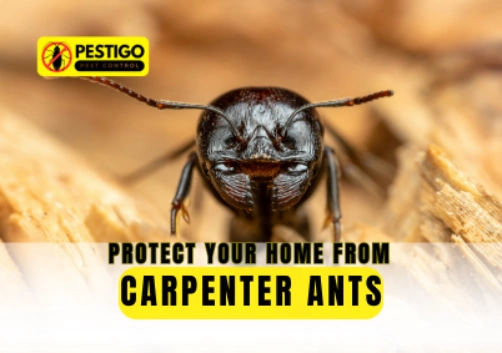
Carpenter ants are among the largest ant species found in Canada. They are usually black but can also appear reddish-black depending on the species. These ants prefer damp, decaying, or softened wood where they can create smooth tunnels for nesting.
Unlike termites, carpenter ants don’t consume wood for food. Instead, they excavate it to create nesting galleries while feeding on insects, sugary foods, and proteins.
They commonly invade:
- Wooden decks
- Wall voids
- Roof spaces
- Window frames
- Door frames
- Tree stumps
- Fence posts
- Attics
- Basements
Why Carpenter Ants Are a Serious Problem
Many homeowners assume carpenter ants are simply a nuisance. Unfortunately, they can become much more than that.
A mature carpenter ant colony may establish several satellite nests throughout your property. As they continue tunneling, structural wood can weaken, leading to expensive repairs if ignored for years.
Early detection is the key to preventing serious structural damage.
According to the Government of Canada, effective pest prevention starts with proper home maintenance, reducing moisture, and sealing entry points to prevent insects from entering buildings.
Common Signs of Carpenter Ants
Recognizing carpenter ants early can save thousands of dollars in repair costs.
Look for these warning signs:
- Large Black Ants Indoors
- Seeing large ants inside your home, especially during spring or at night, often indicates an indoor colony.
- Small Piles of Wood Shavings
- Carpenter ants push wood debris (called frass) out of their tunnels. It resembles fine sawdust mixed with insect parts.
- Rustling Sounds Inside Walls
- Large colonies sometimes produce faint scratching or rustling noises from behind walls.
- Winged Carpenter Ants
- Flying ants appearing indoors often indicate a mature colony that’s reproducing.
- Damaged Wood
- Wood may sound hollow when tapped or appear weakened around windows, doors, or roofing.
Why Carpenter Ants Enter Homes
Several conditions attract carpenter ants.
The most common include:
- Water-damaged wood
- Roof leaks
- Plumbing leaks
- Rotting tree stumps
- Firewood stored near the house
- Overgrown vegetation
- Food crumbs
- Sweet spills
- Pet food left outside
Homes with moisture problems are especially attractive because damp wood is easier for carpenter ants to excavate.
How to Protect Your Home from Carpenter Ants
Keeping carpenter ants away requires prevention rather than waiting until an infestation grows.
- Fix Moisture Problems
Repair leaking pipes, damaged roofs, clogged gutters, and poor drainage around your property.
Dry wood is far less attractive to carpenter ants.
- Seal Every Entry Point
Inspect your home’s exterior for:
- Foundation cracks
- Window gaps
- Utility openings
- Door frames
- Roof vents
Seal these openings with high-quality caulking.
- Remove Dead Wood
Old tree stumps, fallen logs, and rotting fences create ideal nesting sites.
Removing them reduces nearby colonies.
- Trim Tree Branches
Branches touching your roof allow carpenter ants to enter without ever touching the ground.
Keep trees and shrubs trimmed several feet away from your home.
- Store Firewood Properly
Never stack firewood directly against your house.
Store it on raised racks at least several metres from the building.
- Keep Your Kitchen Clean
Clean spills immediately and store food in sealed containers.
Even tiny sugar residues attract foraging ants.
Why DIY Carpenter Ant Control Often Fails
Many homeowners try sprays or bait stations purchased from local stores. Unfortunately, these treatments usually kill only the ants you can see.
The main nest often remains hidden deep inside:
- Walls
- Ceilings
- Crawl spaces
- Roof voids
Carpenter ants may also have multiple satellite colonies, making complete elimination difficult without professional equipment and experience.
When Should You Call Pest Control?
Professional carpenter ant removal is recommended if:
- Ants continue returning after treatment
- You find winged ants indoors
- You hear activity inside walls
- Wood damage is becoming visible
- Multiple nests are suspected
A licensed pest control company can identify nesting sites, eliminate the colony, and help prevent future infestations.
Why Choose Pestigo for Carpenter Ant Control?
At Pestigo, we understand how stressful carpenter ant infestations can be.
Our experienced technicians provide:
- Comprehensive home inspections
- Accurate carpenter ant identification
- Safe and targeted treatments
- Long-term prevention solutions
- Residential and commercial pest control services
- Friendly advice to help keep your home protected
Instead of treating only the visible ants, we focus on eliminating the entire colony to reduce the risk of reinfestation.
Don’t wait until carpenter ants cause expensive structural damage. Contact Pestigo today for a professional inspection and reliable carpenter ant control services.
Carpenter Ants in Canada: Quick Facts
Carpenter ants are commonly found throughout Ontario and other Canadian provinces where wooded environments and moisture create ideal nesting conditions.
Health Canada recommends using Integrated Pest Management (IPM) practices, which combine sanitation, exclusion, moisture control, monitoring, and targeted treatments instead of relying solely on pesticides.
Final Thoughts
Protecting your home from carpenter ants starts with prevention. Regular home maintenance, moisture control, sealing entry points, and removing outdoor nesting areas can significantly reduce your risk of infestation.
However, once carpenter ants establish colonies inside your home, professional treatment is often the safest and most effective solution.
If you’ve noticed carpenter ants or suspect hidden activity, Pestigo is ready to help. Our expert team can inspect your property, eliminate carpenter ant colonies, and provide long-term protection so you can enjoy peace of mind.
Frequently Asked Questions
- How do I know if I have carpenter ants?
- Common signs include large black ants indoors, sawdust-like frass, rustling sounds inside walls, winged ants, and damaged wooden structures.
- Are carpenter ants dangerous?
- They do not spread diseases like some pests, but they can cause significant structural damage by tunneling through wood over time.
- Can carpenter ants destroy a house?
- If left untreated for several years, carpenter ants can weaken wooden structures enough to require costly repairs.
- What attracts carpenter ants?
- Moisture-damaged wood, leaking pipes, tree stumps, food sources, and easy access to your home are the biggest attractants.
- Can I get rid of carpenter ants myself?
- Small outdoor colonies may be reduced with DIY methods, but indoor infestations often require professional pest control to eliminate the entire colony.
- How can Pestigo help?
- Pestigo offers professional carpenter ant inspections, targeted treatments, colony elimination, and preventative pest management solutions to protect your home from future infestations.