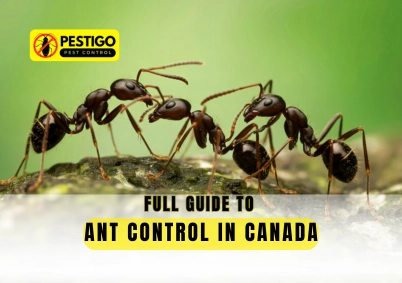
Ants are one of the most common household pests in Canada, often found in kitchens, gardens, and even workplaces. Despite their small size, ants can cause significant damage to homes, gardens, and food supplies. If you’ve ever experienced an ant invasion in your home, you know how frustrating and persistent these tiny invaders can be. In this blog, we will provide a comprehensive guide on how to manage and ant control in Canada, based on current expert advice and real-time government recommendations.
Why Are Ants a Problem in Canada?
Ants are not only a nuisance, but they can also pose health risks. For example, carpenter ants can damage wood structures in your home, while others, like pharaoh ants, can spread bacteria by contaminating food. In Canada, ants are active year-round, though they tend to be more noticeable in warmer months when they search for food and shelter. The Canadian climate can vary widely, which affects how ants behave in different regions. In colder climates, ants may nest in homes during winter, seeking warmth and food, whereas in milder regions, they might be active throughout the year.
Common Types of Ants in Canada
Canada is home to several types of ants, and understanding which species you’re dealing with is crucial for effective control. Here are some of the most common ones:
- Carpenter Ants: Known for their ability to damage wood, carpenter ants are one of the most destructive species in Canada. They nest in damp or decaying wood and can cause significant damage to the structural integrity of a home.
- Odorous House Ants: These ants are known for their distinct smell when crushed, resembling rotten coconuts. They are common in homes, particularly in the southern regions of Canada.
- Pavement Ants: Found commonly around sidewalks and driveways, pavement ants can invade homes in search of food. They are less destructive but still a nuisance when they infiltrate kitchens.
- Pharaoh Ants: These tiny ants are notorious for contaminating food. They are common in food processing facilities and residential kitchens, spreading bacteria and germs.
- Sugar Ants: These are attracted to sugary foods, making kitchens and pantries their primary targets. Sugar ants are widespread throughout Canada and are commonly found in homes during the summer months.
How to Control Ants in Canada
Now that we know the types of ants common in Canada, let’s dive into effective methods of controlling and preventing an ant infestation.
- Prevention is Key
The first step to controlling ants is preventing them from entering your home in the first place. Here are some practical measures you can take to make your home less attractive to ants:
- Seal Entry Points: Ants can enter through even the smallest cracks and gaps. Inspect your home, especially around windows, doors, and foundations, and seal any potential entry points.
- Cleanliness: Ants are drawn to food and water sources. Keep your home clean by wiping up spills immediately, storing food in airtight containers, and regularly cleaning your countertops and floors.
- Remove Food Sources: Make sure to clean pet food bowls, take out trash regularly, and avoid leaving fruit or sugary foods exposed. Keeping food in sealed containers will help deter ants from foraging inside your home.
- Eliminate Water Sources: Ants need water to survive. Fix any leaky pipes, and make sure your home is free of standing water. This will make your home less inviting to ants.
- Natural Ant Control Methods
If you’re looking for natural ways to deal with ants, there are several household items you can use to deter them:
- Vinegar: A 50/50 mixture of vinegar and water is an effective ant repellent. Spray the solution around known ant trails and entry points to disrupt their scent trails.
- Cinnamon: Ants dislike cinnamon, and it can be sprinkled in areas where ants are active. Ground cinnamon can be used to create a barrier that ants are reluctant to cross.
- Diatomaceous Earth: This powder is harmless to humans and pets but deadly to ants. Sprinkle it along ant trails or in areas where ants are entering your home.
- Lemon Juice: The acidity of lemon juice can disrupt the scent trails ants use to navigate. Spray lemon juice around your home to prevent them from finding their way inside.
- Chemical Ant Control
If natural methods are not enough to control the infestation, chemical solutions may be necessary. There are several types of ant baits and sprays available in the market:
- Ant Baits: These are often the most effective way to control ants. Baits attract ants, and when they take the bait back to their colony, they share it with others, ultimately killing the entire nest.
- Insecticidal Sprays: These sprays can be used to target individual ants or ant colonies. Look for sprays labeled for indoor or outdoor use, depending on where you need to apply them.
- Ant Dust: Ant dust is another common chemical solution. It can be applied around the perimeter of your home or directly on ant nests to eradicate them.
- Professional Ant Control Services
In cases of severe infestations, professional pest control services might be required. Pestigo is a trusted pest control service provider that can help you eliminate ants and other pests from your home. They offer safe and effective solutions for ant control, tailored to your specific needs. Their experts will assess the situation and apply the most appropriate treatments to keep your home ant-free.
Government Recommendations for Ant Control in Canada
The Canadian government offers guidelines on managing pest infestations, including ants. According to the Canadian Food Inspection Agency (CFIA), maintaining proper sanitation is essential in preventing pest issues in homes and businesses. They also recommend using integrated pest management (IPM) practices, which combine prevention, monitoring, and control measures to manage pests effectively.
The Health Canada Pest Management Regulatory Agency (PMRA) provides regulations for the safe and effective use of pest control products. When using chemical control products, always follow the label instructions and ensure they are registered for use in your area.
Conclusion
Ant infestations are a common problem in Canada, but with the right approach, they can be controlled and prevented. By sealing entry points, maintaining cleanliness, using natural repellents, or opting for chemical solutions, you can protect your home from these persistent pests. And, if all else fails, professional services like Pestigo can ensure your home remains ant-free.
FAQs
1. How do I get rid of carpenter ants in my home?
Carpenter ants can cause significant damage, so it’s important to deal with them promptly. Seal any cracks and entry points, and treat visible nests with insecticide or ant baits. If the problem persists, contact a professional pest control service like Pestigo.
2. Can ants in my house cause health problems?
Yes, some species of ants, like pharaoh ants, can spread bacteria and contaminate food. It’s essential to address any ant infestations quickly to prevent health risks.
3. What attracts ants to my home?
Ants are primarily attracted to food, water, and shelter. Make sure to keep food sealed, clean up spills immediately, and eliminate any standing water to discourage ants from entering your home.
4. How can I prevent ants from coming back?
Regularly check for and seal any cracks in windows, doors, and foundations. Keep your home clean, store food properly, and ensure there’s no standing water to eliminate sources of attraction for ants.
For expert assistance with ant control, contact Pestigo, your trusted pest control solution.