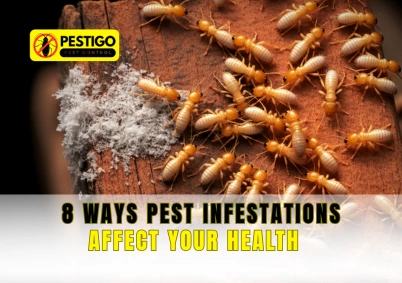
Pest infestations are more than just a nuisance; they can pose serious risks to your health and well-being. Whether it’s rodents in your attic, cockroaches in your kitchen, or mosquitoes around your home, pests carry harmful pathogens and allergens that can negatively impact your physical health. Understanding how pest infestations affect your health is the first step toward protecting your home and family.
In this blog, we’ll explore 8 major ways pest infestations can affect your health, along with practical insights to help you stay safe and pest-free.
1. Spread of Dangerous Diseases
One of the most serious impacts of pest infestations is the spread of diseases. Many pests act as carriers of bacteria, viruses, and parasites.
- Rodents can transmit diseases like Salmonella and hantavirus
- Mosquitoes spread malaria, dengue, and the Zika virus
- Cockroaches carry E. coli and other harmful bacteria
These pests contaminate food, water, and surfaces, increasing the risk of infections. This makes pest control for health safety essential in every household.
2. Allergies and Asthma Triggers
Pests are a major cause of indoor allergies and respiratory problems.
- Cockroach droppings and saliva can trigger asthma
- Dust mites and insect debris worsen allergic reactions
- Rodent dander can cause breathing difficulties
If you or your family members experience frequent sneezing, coughing, or wheezing, a hidden pest infestation might be the cause. This is why pest infestation health risks should never be ignored.
3. Food Contamination
Pests often invade kitchens and food storage areas, contaminating food with bacteria and pathogens.
- Rodents chew through packaging
- Flies transfer germs from waste to food
- Ants and cockroaches crawl over surfaces
Consuming contaminated food can lead to food poisoning, stomach infections, and digestive issues. Proper hygiene and professional pest control services are key to preventing such risks.
4. Skin Irritations and Bites
Many pests bite or sting, leading to skin problems and discomfort.
- Bed bugs cause itchy red welts
- Fleas lead to rashes and irritation
- Mosquito bites can result in swelling and infections
In some cases, bites can trigger severe allergic reactions. Long-term exposure can also affect sleep quality and mental health, making pest removal services crucial for maintaining comfort at home.
5. Mental Stress and Anxiety
Living with pests can take a toll on your mental well-being.
- Constant worry about contamination
- Sleep disturbances due to bed bugs or rodents
- Embarrassment and social discomfort
A pest-infested environment can create chronic stress and anxiety, especially for families with children. Maintaining a pest-free home is not just about hygiene; it’s about peace of mind.
6. Structural Damage Leading to Health Hazards
Certain pests, like termites and rodents, can damage your home’s structure.
- Termites weaken wooden structures
- Rodents chew electrical wires, increasing fire risks
- Nesting materials can block ventilation
Structural damage can lead to unsafe living conditions, mold growth, and poor air quality. These issues indirectly affect your health, emphasizing the importance of home pest inspection and control.
7. Secondary Infections
Scratching pest bites or coming into contact with contaminated surfaces can lead to infections.
- Open wounds from scratching bites can get infected
- Bacteria from pests can enter the bloodstream
- Poor hygiene increases infection risks
This is particularly dangerous for children, elderly individuals, and those with weakened immune systems. Timely pest management helps reduce the risk of secondary health complications.
8. Parasite Transmission
Some pests act as hosts for parasites that can infect humans and pets.
- Fleas can carry tapeworms
- Ticks transmit Lyme disease
- Rodents spread parasitic infections
These parasites can cause long-term health issues if left untreated. Regular pest control and hygiene practices are essential for preventing pest-related diseases.
How to Protect Your Health from Pest Infestations
Preventing pest infestations is the best way to safeguard your health. Here are some effective tips:
- Keep your home clean and clutter-free
- Store food in sealed containers
- Dispose of garbage regularly
- Seal cracks and entry points
- Schedule regular pest inspections
For long-term protection, professional help is often necessary.
Take Action with Pestigo
If you’re dealing with pests or want to prevent future infestations, it’s time to take action. Pestigo offers reliable and effective pest control solutions designed to protect your home and your health. Their expert team ensures safe, thorough, and long-lasting results, giving you peace of mind.
Don’t wait until pests become a serious health risk; contact Pestigo today and create a healthier living environment for your family.
FAQs
1. Can pest infestations make you sick?
Yes, pests can carry harmful bacteria and viruses that cause diseases, allergies, and infections.
2. What are the most dangerous pests for human health?
Mosquitoes, rodents, cockroaches, and ticks are among the most harmful due to the diseases they spread.
3. How do I know if pests are affecting my health?
Common signs include frequent allergies, unexplained bites, respiratory issues, and food contamination.
4. Are DIY pest control methods effective?
DIY methods can help temporarily, but professional pest control services are more effective for long-term solutions.
5. How often should I schedule pest control?
It’s recommended to have pest inspections and treatments every 3–6 months, depending on your location and risk level.
6. Can pests cause long-term health problems?
Yes, prolonged exposure to pests can lead to chronic respiratory issues, infections, and mental stress.
By understanding the hidden dangers of pest infestations and taking proactive steps, you can protect your health and maintain a safe, comfortable home environment.